
Forestry Equipment Shipping in Eugene, Oregon: Flatbed Planning for Heavy and Oversized Freight
Forestry equipment does not move like standard freight.
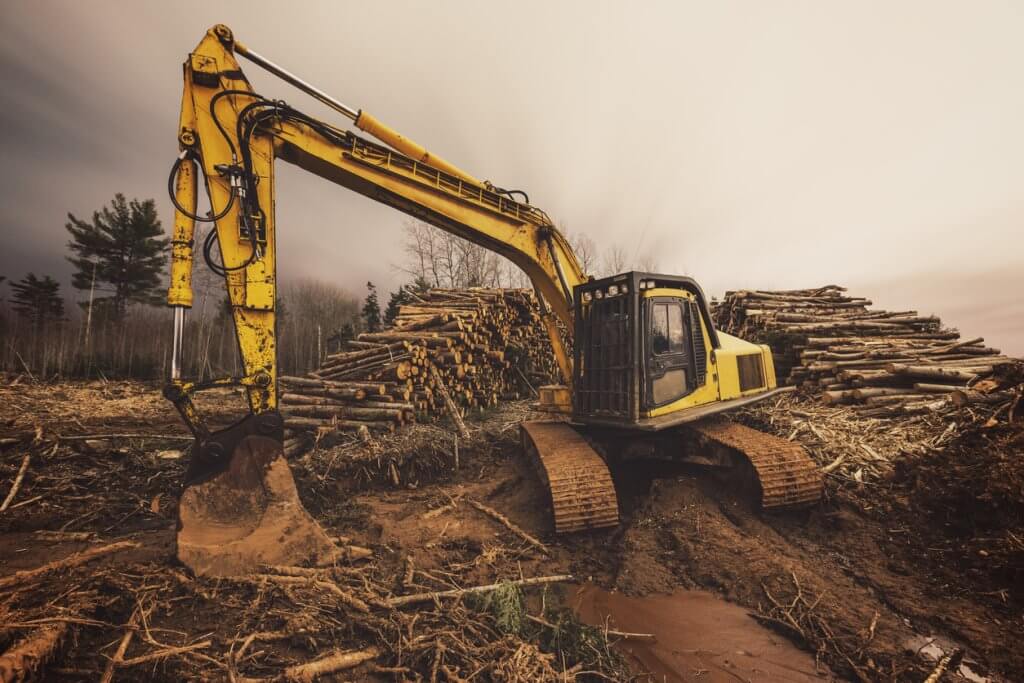
Harvesters, skidders, loaders, attachments, sawmill components, trailers, and heavy machinery often require more planning than a basic dock-to-dock shipment.
For Eugene-area shippers, flatbed freight can be a practical option when forestry equipment is too large, too heavy, or too awkwardly shaped for a standard enclosed trailer.
But successful forestry equipment shipping is not just about finding a truck. It is about understanding the equipment, confirming loading requirements, coordinating the right carrier, and keeping communication clear from pickup to delivery.
Why Forestry Equipment Shipping Requires Careful Planning
Forestry equipment often comes with shipment details that affect the entire transportation plan.
Before booking, shippers should confirm:
- Equipment dimensions
- Total weight
- Make and model when available
- Whether the equipment runs and drives
- Whether attachments or loose parts are included
- Loading and unloading method
- Pickup and delivery access
- Appointment windows or site restrictions
- Whether permits, escorts, or specialized equipment may be needed
Those details matter because forestry equipment may technically fit on a flatbed but still require additional planning before it can move properly.
Freight has a real talent for finding the one detail nobody confirmed. Heavy equipment just makes that talent more expensive.
When Flatbed Shipping Makes Sense for Forestry Equipment
Flatbed freight shipping is often used when freight cannot be loaded into a standard enclosed trailer or needs loading flexibility from the side, top, or rear.
For forestry equipment, flatbed shipping may be a good fit for:
- Logging equipment
- Skidders and loaders
- Harvesting equipment
- Attachments and implements
- Sawmill components
- Generators and support equipment
- Oversized or over-dimensional freight
- Project-related materials
Flatbed shipping provides flexibility, but it is not one-size-fits-all.
Some shipments can move on a standard flatbed. Others may require step deck, lowboy, removable gooseneck, hot shot, partial, or another solution depending on dimensions, weight, height, route, and loading requirements.
Eugene Forestry Freight Often Comes with Regional Route Considerations
Eugene and the surrounding Pacific Northwest region have deep ties to forestry, timber, manufacturing, equipment service, and rural project work.
Moving forestry equipment in and out of the area can involve more than simply booking open-deck space.
Depending on the shipment, Eugene-area forestry freight may involve:
- Rural pickup or delivery locations
- Limited access roads
- Weather-related timing concerns
- Facility, yard, or jobsite restrictions
- Loading and unloading equipment availability
- Regional routing across Oregon, Washington, Idaho, California, and beyond
None of those details automatically make a shipment difficult.
They simply need to be considered before the load moves.
Forestry Equipment May Require More Than a Standard Flatbed
The phrase “flatbed shipping” covers a range of open-deck transportation needs.
For forestry equipment, the right answer depends on the equipment itself.
Shippers may need to compare:
- Standard flatbed: Useful for many open-deck loads that fit within standard height and weight limits.
- Step deck: Often helpful when height is a concern and the freight needs a lower deck height.
- Lowboy or RGN: May be needed for taller, heavier, or more complex equipment moves.
- Hot shot: Can help with smaller urgent equipment, attachments, or project freight.
- Partial load: May work when the shipment does not require a full trailer but still needs more care than standard LTL.
The goal is not to force every shipment into one category.
The goal is to choose the transportation plan that fits the freight, timeline, loading conditions, route, and risk involved.
Common Mistakes That Create Forestry Freight Problems
Many forestry equipment shipping issues are preventable.
The problems usually start before the truck arrives.
Common mistakes include:
- Estimating dimensions instead of measuring
- Forgetting attachments, loose pieces, or accessories
- Assuming equipment runs when it does not
- Not confirming loading or unloading equipment
- Missing rural access limitations or site restrictions
- Choosing only on price instead of carrier fit
- Not discussing tarping, securement, or exposure concerns
- Waiting too long to communicate schedule changes
These issues may sound small, but with forestry equipment they can quickly affect cost, timing, and carrier availability.
A stronger plan upfront is usually cheaper than a surprise later.
Carrier Selection Matters for Forestry Equipment Shipping
Not every carrier is the right fit for forestry equipment shipping.
Heavy, oversized, rural, or project-related freight often requires carriers with the proper equipment, securement experience, communication habits, and ability to handle the specific shipment involved.
Carrier vetting matters because the wrong transportation choice can create avoidable risk before the load ever moves.
Whitewater Freight helps shippers coordinate freight through carefully reviewed carrier partners. We focus on practical logistics planning, proactive communication, and reducing avoidable freight issues before the shipment moves.
You can learn more about our approach to freight fraud prevention and carrier vetting.
Questions to Ask Before Moving Forestry Equipment
Before arranging transportation, shippers should be ready to answer a few practical questions:
- What exactly is being shipped?
- What are the exact dimensions and weight?
- Does the equipment run and drive?
- Are attachments or loose pieces included?
- How will the equipment be loaded?
- How will the equipment be unloaded?
- Is pickup or delivery at a facility, yard, jobsite, rural site, or remote location?
- Are appointment times required?
- Does the load need tarping or special securement?
- Could the dimensions require permits or special routing?
These questions help determine whether the shipment needs a standard flatbed, step deck, lowboy, hot shot, partial, truckload, or another solution.
How Whitewater Freight Helps with Forestry Equipment Shipping
Whitewater Freight is a freight brokerage that helps shippers coordinate forestry equipment, flatbed freight, machinery, industrial equipment, construction equipment, and other project-related shipments with practical planning, careful carrier selection, and clear communication.
We help evaluate:
- Whether flatbed shipping is the right fit
- Whether another open-deck option may make more sense
- Equipment size, weight, and loading needs
- Pickup and delivery timing
- Facility, yard, rural, or jobsite access requirements
- Carrier coordination and communication
Whether freight is moving in Eugene, across Oregon, through the Pacific Northwest, into the Midwest, or nationwide, the goal is the same: match the shipment to the right transportation plan and keep everyone informed along the way.
You can also review our full range of freight services to see how different shipping solutions fit different freight needs.
The Bottom Line
Forestry equipment shipping in Eugene requires more than simply booking a truck.
It takes accurate details, reliable carrier coordination, securement planning, route awareness, and clear communication.
When those pieces come together, heavy and oversized forestry freight becomes easier to manage and much less likely to turn into a last-minute scramble.
And with forestry equipment, avoiding the scramble is where a lot of the value lives.
FAQ
What information is needed to quote forestry equipment shipping?
Helpful details include dimensions, weight, make and model, pickup and delivery locations, loading method, unloading requirements, appointment windows, and whether the equipment runs.
Can forestry equipment move on a flatbed?
Yes, many types of forestry equipment can move on flatbed equipment, depending on size, weight, loading needs, and route requirements.
Does forestry equipment shipping require permits?
Some oversized or over-dimensional shipments may require permits or additional planning. Requirements depend on the dimensions, weight, route, and states involved.
What is the difference between flatbed and step deck shipping?
A standard flatbed has a higher deck height, while a step deck has a lower deck that can help with taller freight. The right option depends on shipment height, weight, and loading requirements.
Is Whitewater Freight a flatbed carrier?
Whitewater Freight is a freight brokerage. We help shippers coordinate flatbed and forestry equipment freight through qualified carrier partners.
Freight without the surprise party.
Need help moving freight without the surprises?
Whitewater Freight helps shippers move truckload, LTL, flatbed, hot shot, and partial loads with proactive communication, careful carrier vetting, and real humans who answer the phone.
Get a Quote